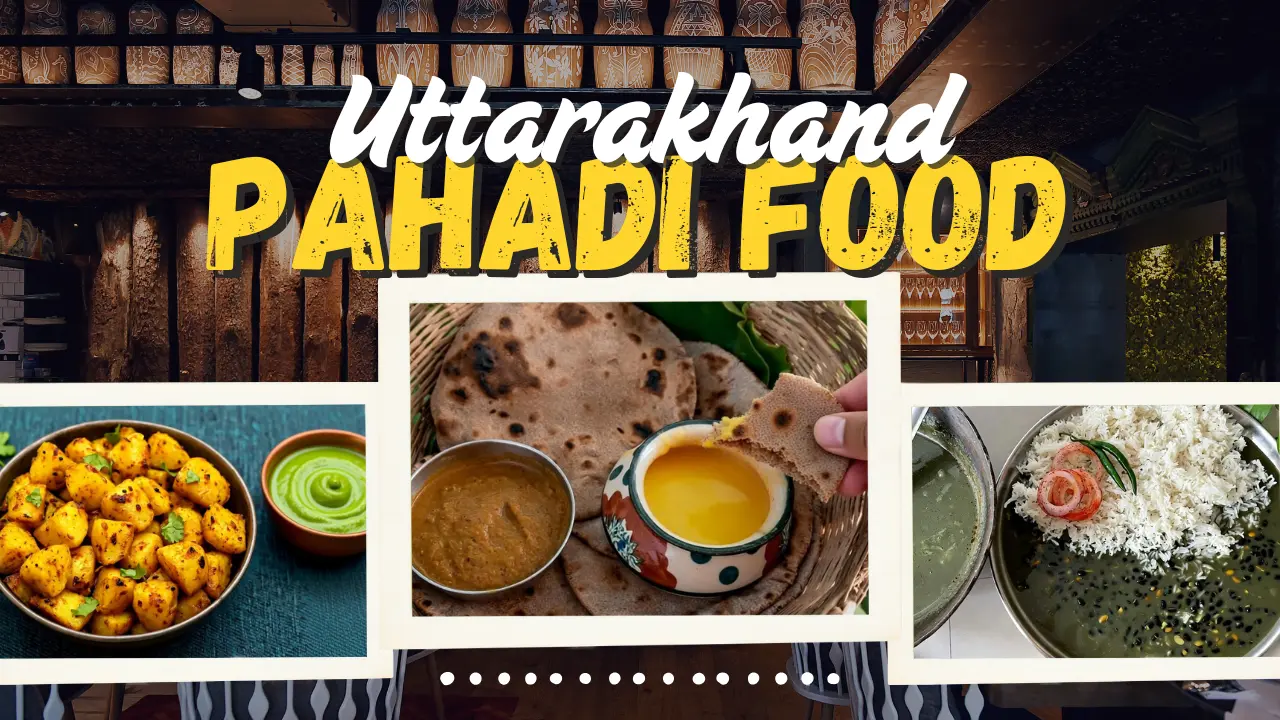
Friends, have you ever tried Uttarakhandi Pahari (mountain) food? Probably not. But if you’re from Uttarakhand, you’ve not only definitely eaten Pahari food but have also likely shared it with your friends who live in the plains.
For those completely unfamiliar with mountain cuisine, nutritious and organic hill food can be a completely new and unique experience. This food is not only distinct in taste but also incredibly beneficial for health.
The true essence of mountain cuisine lies in its deep connection with nature. For generations, people living in the mountains have been cultivating vegetables, lentils, and grains without any chemicals or artificial fertilizers. Lentils like Gahat (horse gram), Bhatt, Urad, and Masoor, along with millets like Mandua and Jhangora, are hallmarks of this cuisine.
This is why mountain food is inherently organic, pure, and sustainable. Every dish here is prepared in a way that provides the body with the necessary energy, nutrition, and warmth to withstand the cold mountain climate.
In this beginner-friendly guide, we will explore Uttarakhand Pahadi food, its main dishes, ingredients, health benefits, and why it is gaining popularity today.
What Is Uttarakhand Pahadi Food?
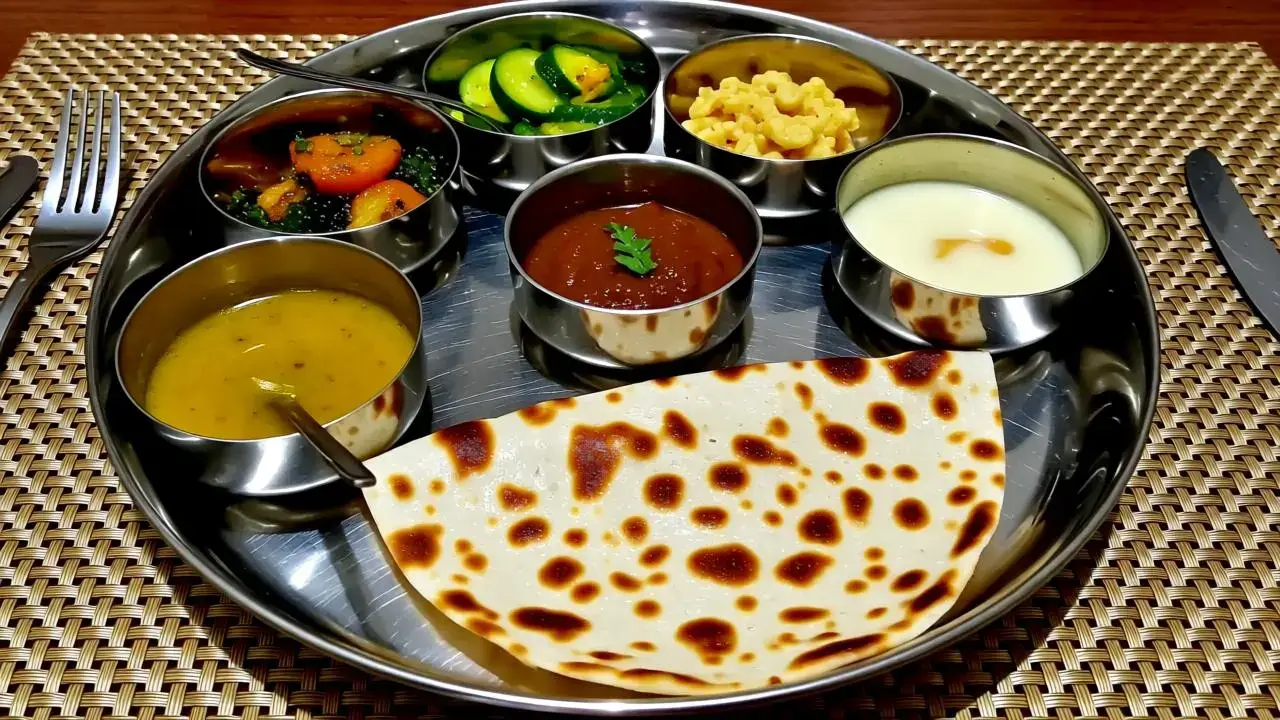
Uttarakhand Pahadi food comes from the hill regions of Uttarakhand, mainly Kumaon and Garhwal. The food is designed for mountain weather — warm, nutritious, and easy to digest.
Instead of heavy spices, it focuses on:
- Local grains
- Pulses and lentils
- Leafy vegetables
- Natural oils like mustard oil
The taste is mild, earthy, and comforting.
The Heart and Soul of Pahadi Cooking
Before we dive into the dishes, it helps to understand what makes this cuisine special. The key ideas of Uttarakhand Pahadi food are rooted in simplicity, nutrition, and local resources.
- Mountain Ingredients: The recipes rely on what grows well in the hills. You won’t find common wheat or basmati rice as staples here. Instead, look for mandua (finger millet), jhangora (barnyard millet), and red rice. Lentils like gahat (horse gram) and bhatt (black soybean) are protein heroes.
- Wholesome Nutrition: This is food that fuels the body. Dishes are often high in protein, fiber, and essential nutrients, thanks to the generous use of lentils, millets, and leafy greens.
- Earthy Flavors: The taste is comforting and grounded. Mustard oil is the preferred cooking medium, adding a sharp, pungent base. Spices like jakhiya and jambu (a local herb) are used not to overpower, but to enhance the natural flavors of the main ingredients.
Also Read: Top 10 Traditional Pahadi Recipes of Uttarakhand
Key Ingredients Used in Pahadi Cuisine
The strength of Uttarakhand Pahadi food lies in its ingredients. Most of them are organic and grown in small farms.
Common Ingredients
- Millets (Mandua, Jhangora)
- Pulses (Gahat, Bhatt, Urad dal)
- Leafy greens (Spinach, Fenugreek, Nettles)
- Local spices (Jakhiya seeds, cumin)
- Mustard oil for cooking
These ingredients are not only tasty but also very healthy.
Must-Try Dishes from the Uttarakhand Kitchen
Now, for the most exciting part: the food! Here is a guide to some iconic Uttarakhand Pahadi dishes you should know about.
1. Savory Staples and Curries
These are the everyday dishes that form a Pahadi meal.
| Dish Name | Description | Key Benefits / Best With |
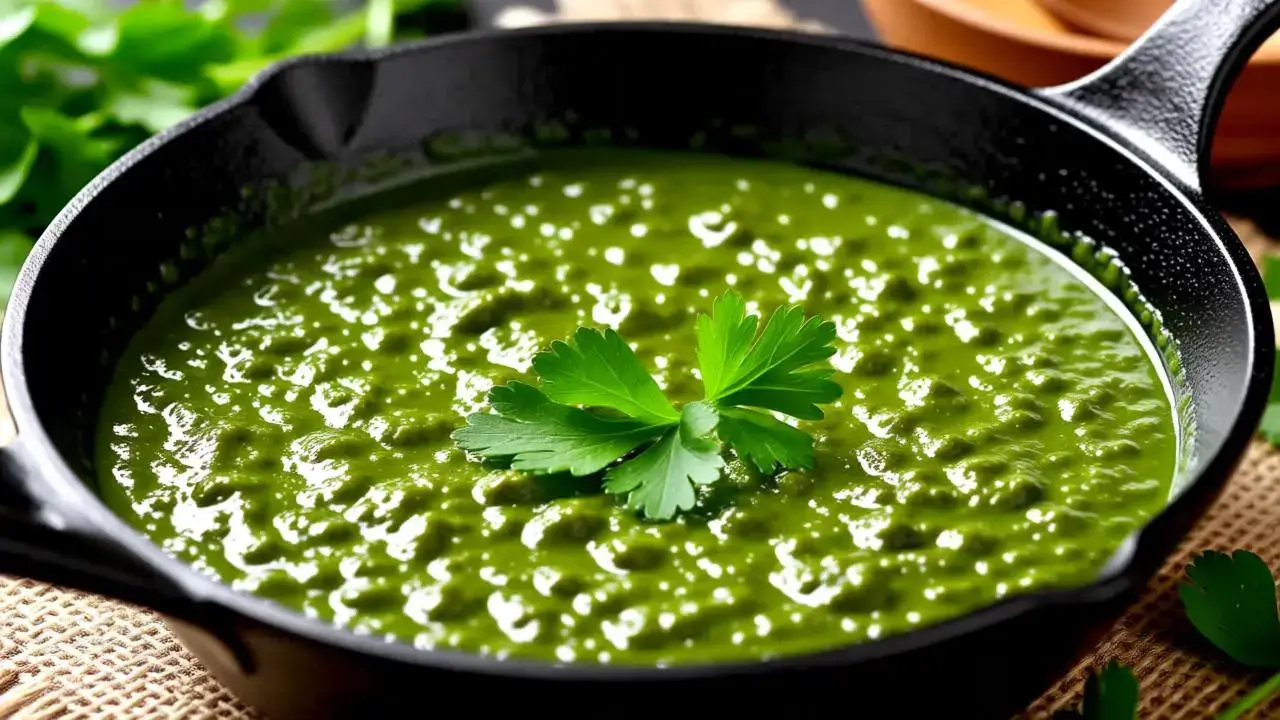
| Kafuli | Traditional dish made from spinach and fenugreek leaves, slow-cooked in an iron pot. Often called the state dish of Uttarakhand. | • Rich in iron • Light on the stomach • Perfect with rice or roti |
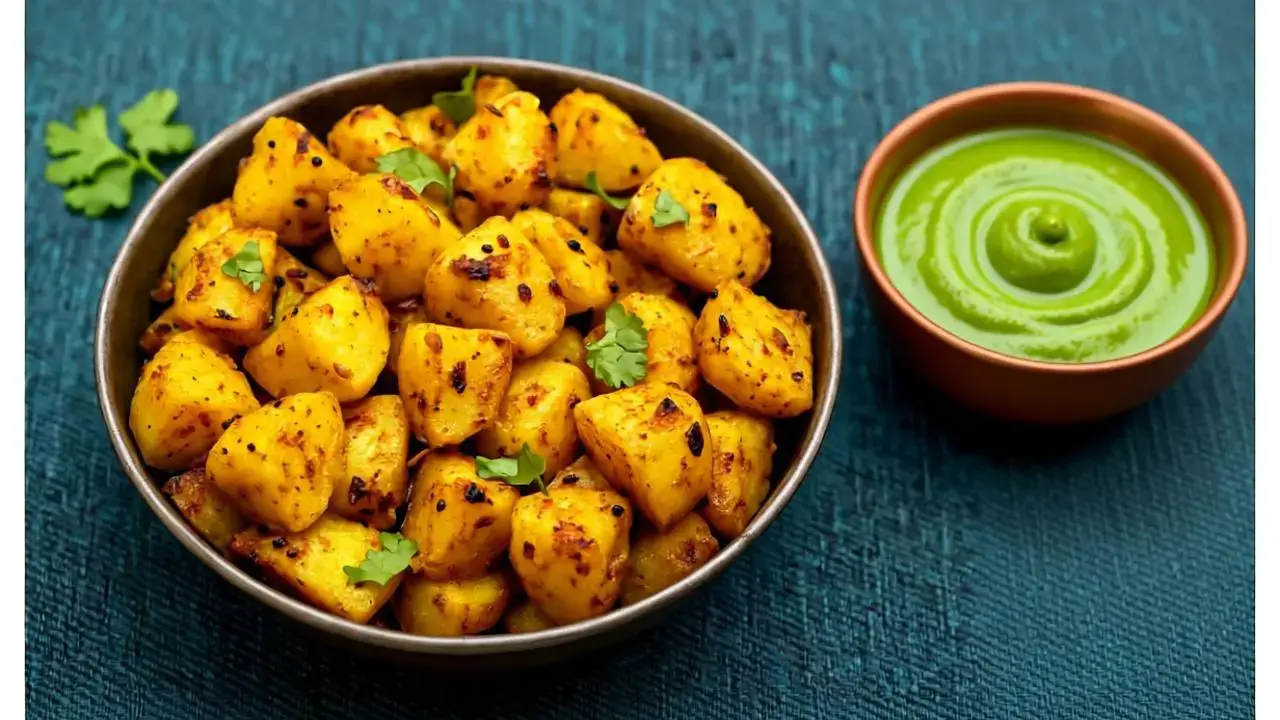
| Aloo Ke Gutke | Dry potato dish cooked with local spices and crunchy jakhiya seeds. | • Simple yet flavorful • Best with Mandua ki roti • Served with Kumaoni raita |
| Phanu | Thick, soupy curry prepared from mixed lentils soaked overnight and slow-cooked. | • High in protein • Ideal for cold weather • Gives high energy |
| Chainsoo | Dish made from roasted black gram (urad dal) with a smoky, deep flavor. | • Rich in protein • Good for muscle strength |
| Gahat (Kulath) Soup | Warm winter soup made from horse gram, commonly eaten in hilly areas. | • Improves digestion • Provides warmth in cold climate |
| Bhatt Ki Churkani | Thick and creamy gravy made from black soybeans. | • Highly nutritious • Rich and filling |
| Kandalee Ka Saag | Prepared from stinging nettle leaves with a unique earthy taste. | • Packed with nutrients • Traditional and healthy |
Kafuli: Often called the state dish, this is a thick, green gravy made purely from spinach and fenugreek leaves. It’s cooked slowly in an iron pot, which adds to its rich, earthy flavor and makes it packed with iron. It’s best enjoyed with steaming hot red rice.
Chainsoo: This is a unique and flavorful curry made from urad dal (black gram). The dal is first roasted until fragrant and then ground into a paste. This gives Chainsoo a deep, nutty taste and a wonderful aroma. It’s a protein powerhouse and a winter favorite.
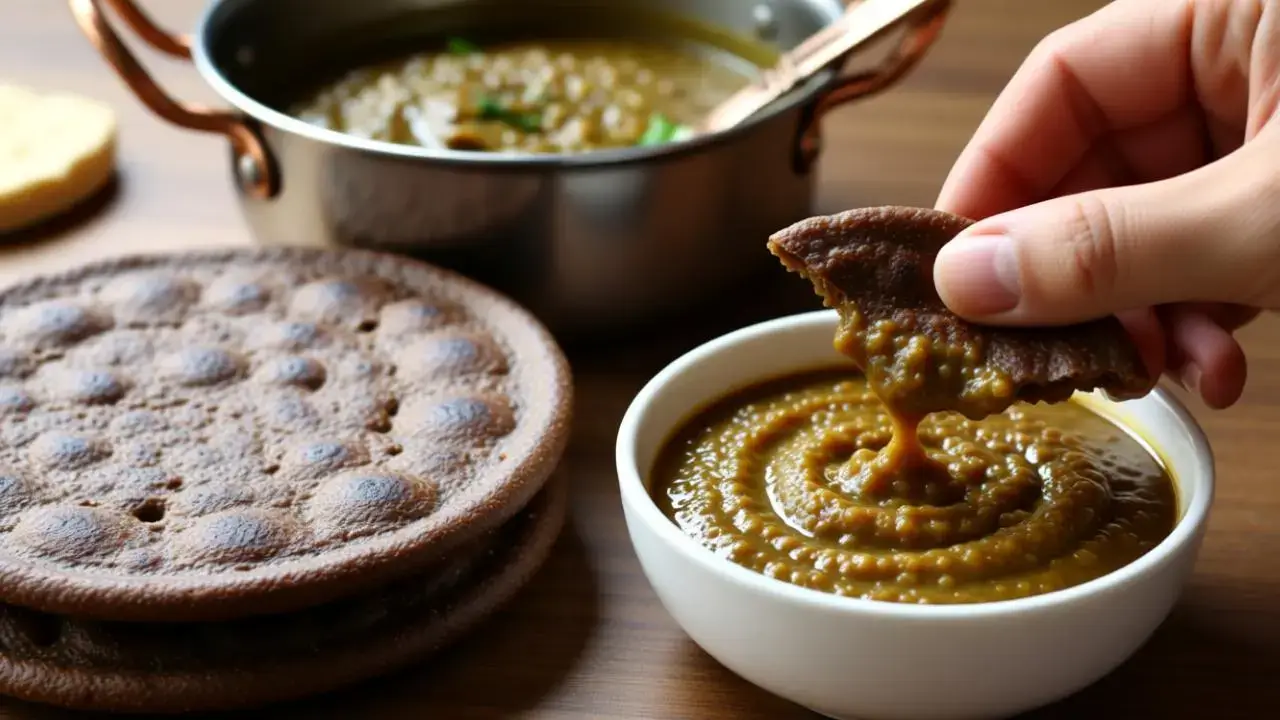
Phanu: Think of this as a hearty, soupy lentil curry. It’s made by soaking a mix of different lentils overnight, grinding them into a coarse paste, and then cooking them into a delicious, warming stew.
Aloo ke Gutke: A simple yet irresistible dish of boiled potatoes cubed and sautéed in mustard oil with local spices. The star is jakhiya, a tiny seed that pops when fried and adds a fantastic, nutty crunch. It’s the ultimate comfort side dish.
2. Breads Chutneys and Side Dishes
A meal is incomplete without its staple sides.
Mandua Ki Roti: This flatbread, made from finger millet flour, is a cornerstone of the Pahadi diet. It’s dark, dense, and incredibly nutritious. It can be tricky to cook because the dough isn’t very stretchy, but its wholesome, earthy taste is worth the effort.
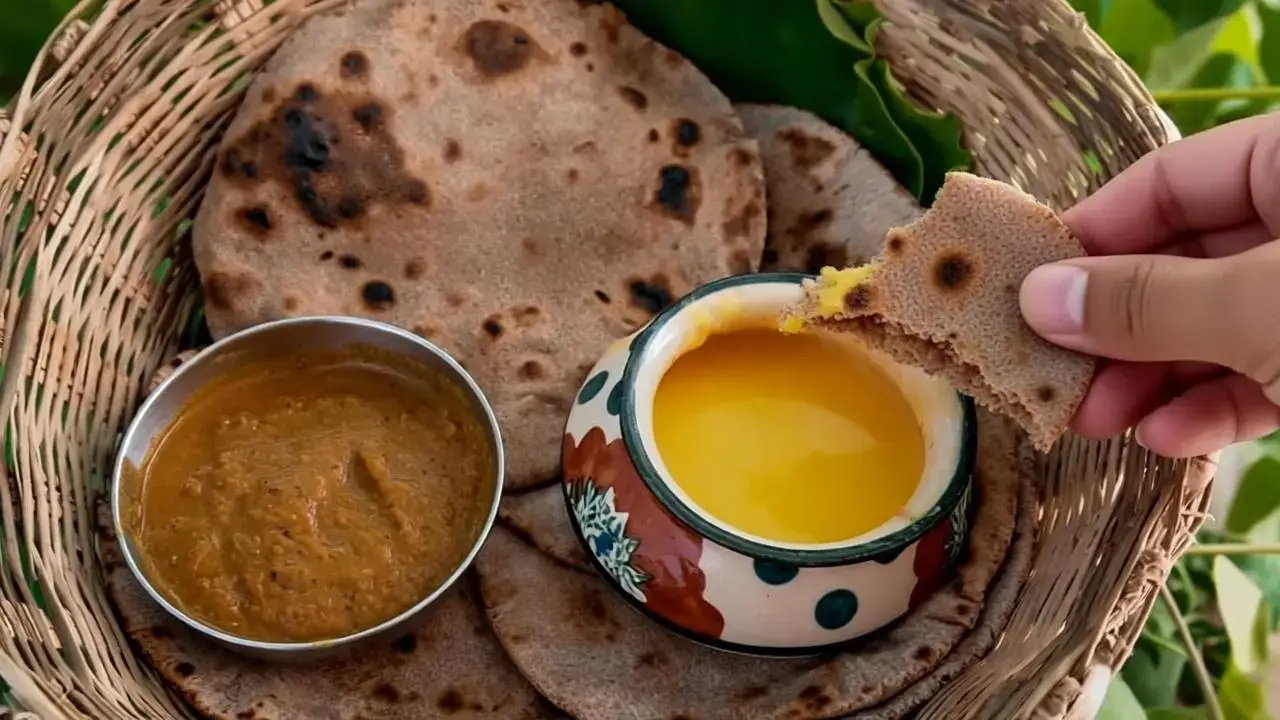
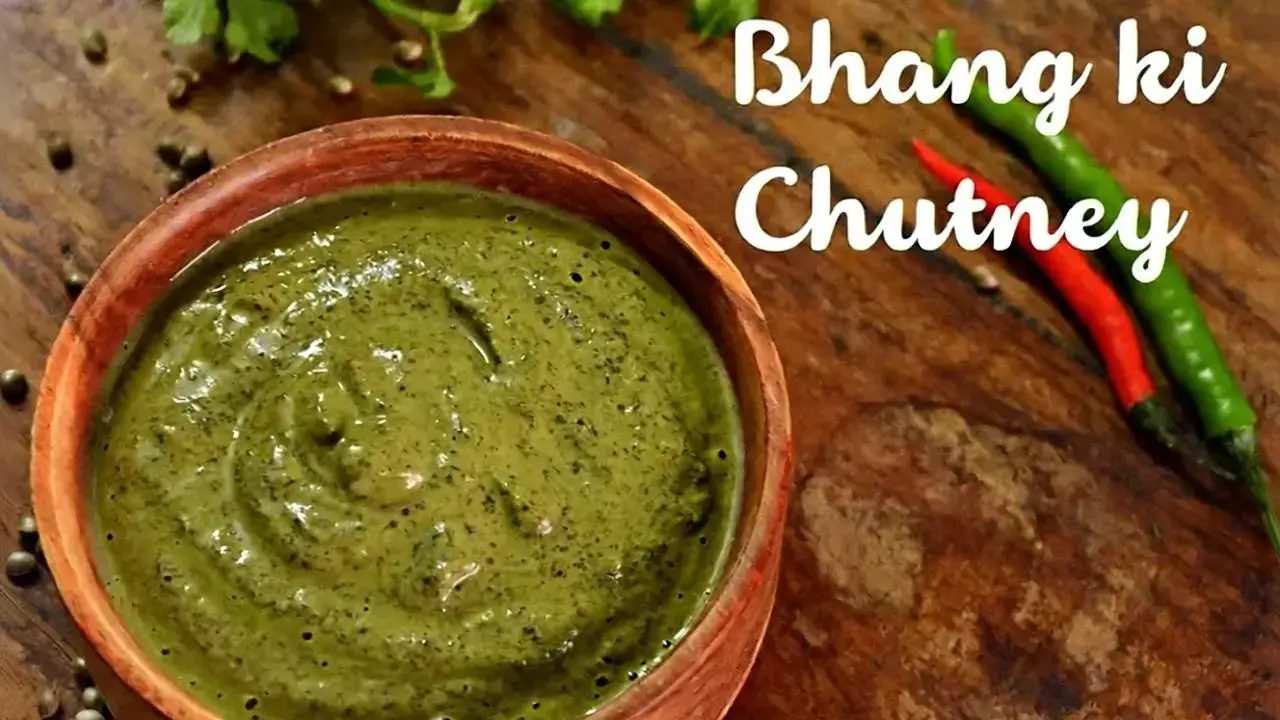
Bhang Ki Chutney: Don’t worry, it’s not what you think! This chutney is made from roasted hemp seeds, which are perfectly legal and healthy. The seeds are ground with garlic, green chilies, and lemon juice to create a creamy, tangy, and nutty condiment that elevates any meal.
Kandalee Ka Saag: This dish showcases the adventurous spirit of mountain cooking. It is made from a wild green called bichhu ghas or stinging nettle. Once cooked, it loses its sting and offers a uniquely earthy and slightly tangy flavor.
Kumaoni Raita: This yogurt-based side dish uses cucumber and mustard seeds. It balances spicy meals perfectly.
Jhol / Thechwani: A light gravy made with potatoes and tomatoes, often served with rice.
3. Traditional Sweets of Uttarakhand
Pahadi sweets are less sugary and more about the natural taste of ingredients like jaggery and reduced milk.
| Sweet Name | Description | Special Feature |
| Jhangora Ki Kheer | A sweet pudding made from barnyard millet, milk, and sugar | Healthy alternative to rice kheer |
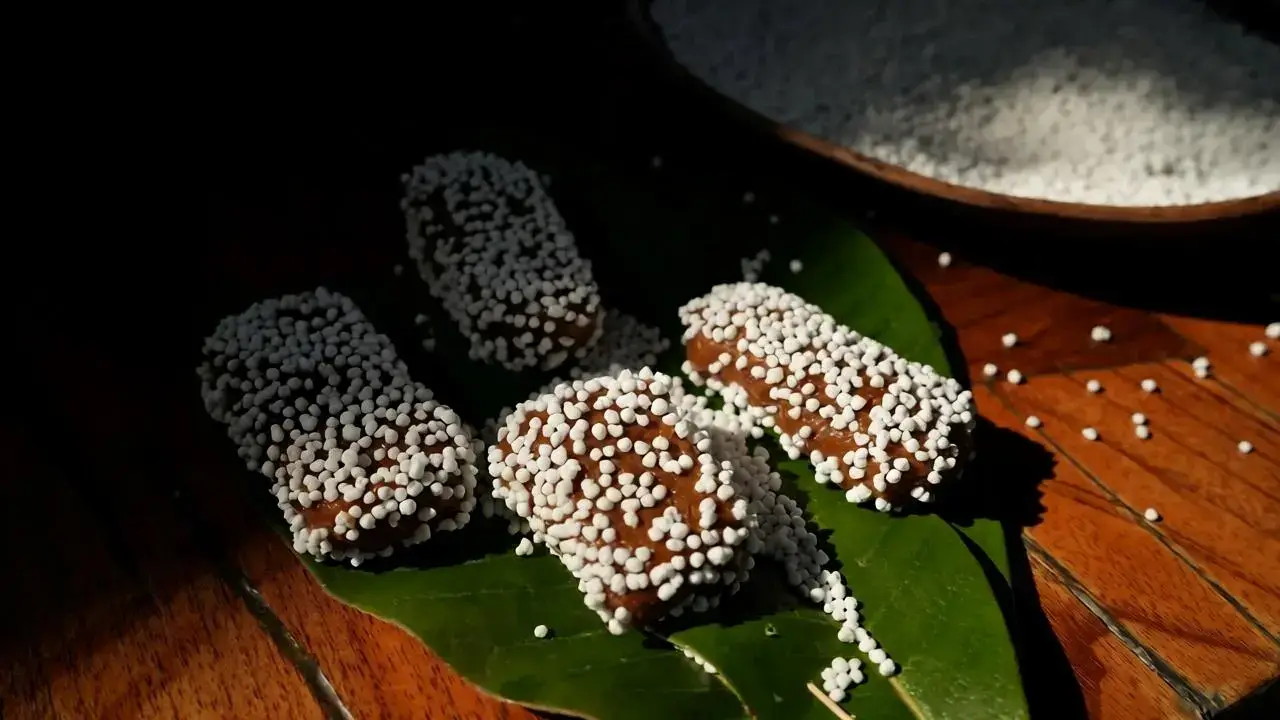
| Bal Mithai | One of the most famous sweets of Uttarakhand, made from khoya | Coated with small sugar balls |
| Arsa | A traditional festive sweet made from rice flour and jaggery | Deep-fried and rich in taste |
Bal Mithai: This is perhaps the most famous sweet from Uttarakhand. It consists of small, fudge-like squares made from khoya (reduced, solidified milk). They are coated with tiny, white sugar balls, giving them a delightful texture and a creamy, caramel-like taste.
Jhangora Ki Kheer: A creamy, comforting pudding made with barnyard millet, milk, and jaggery (or sugar). It’s lighter than rice kheer and has a lovely, subtle graininess to it.
Arsa: A traditional festival sweet made from rice flour and jaggery, deep-fried until puffy and golden. It’s crispy on the outside and soft inside, with the rich flavor of jaggery.
Nutritional Benefits of Uttarakhand Pahadi Food
| Feature | Benefit |
| Millets | High fiber and calcium |
| Lentils | Rich in protein |
| Leafy greens | Iron and vitamins |
| Mustard oil | Good for heart health |
This cuisine is naturally balanced and supports a healthy lifestyle.
Why Uttarakhand Pahadi Food is Good for You
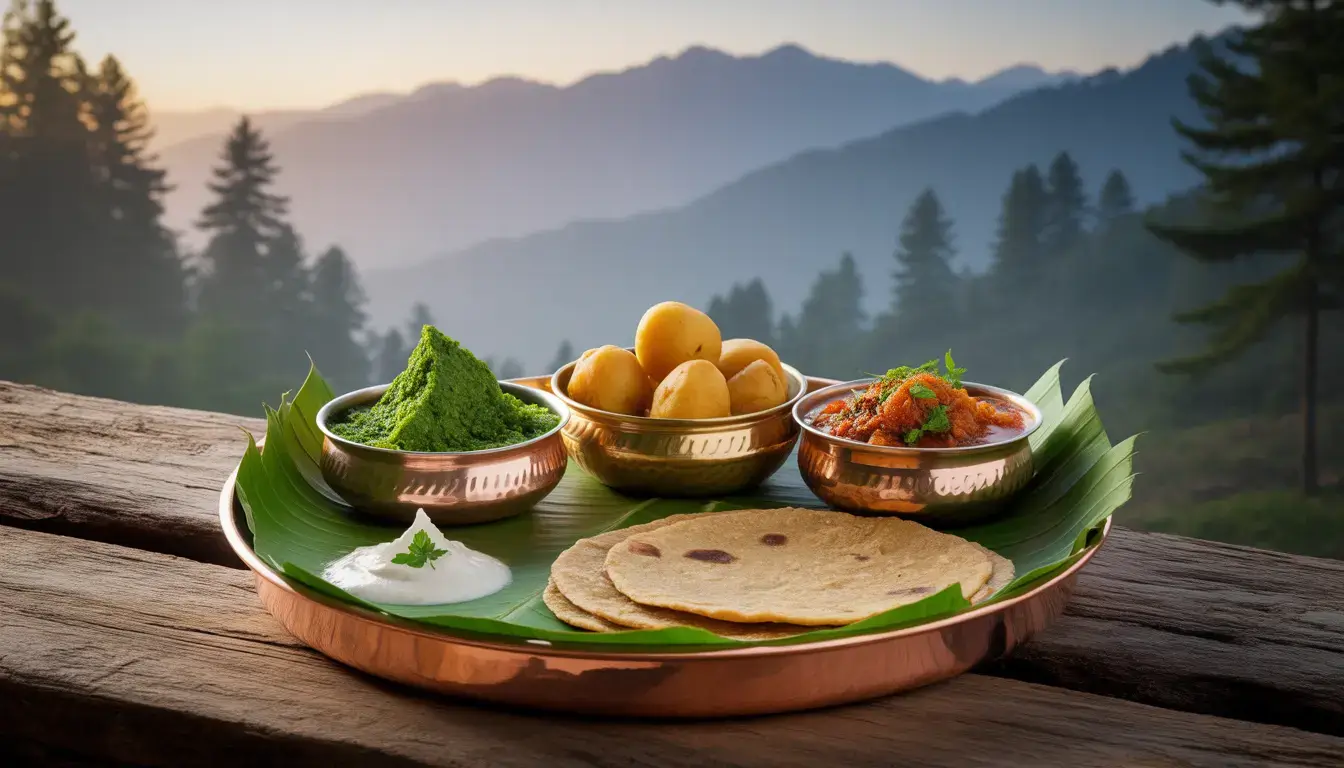
Choosing to eat Pahadi food is like giving your body a gift of natural wellness.
| Feature | Benefit |
| Locally Sourced | Ingredients are fresh, seasonal, and travel minimal distances. |
| Naturally Organic | Grown without synthetic pesticides or fertilizers. |
| High in Fiber | Millets and lentils aid digestion and keep you full longer. |
| Rich in Protein | Lentils like Gahat and Bhatt provide excellent plant-based protein. |
| Low in Fat | Cooking methods rely less on frying and more on boiling, steaming, and sautéing. |
Bringing the Mountains to Your Table
You don’t have to trek to the Himalayas to enjoy this cuisine. Here’s how you can start:
- Find the Ingredients: Look for Indian grocery stores that sell millet flours, red rice, and lentils like horse gram.
- Start Simple: Try making Aloo ke Gutke with mustard oil and cumin seeds if jakhiya is hard to find. It’s a delicious introduction.
- Experiment with Millets: Substitute some of your regular wheat flour with millet flour to make healthier pancakes or flatbreads.
- Visit a Restaurant: Many Indian restaurants in big cities now have a dedicated “Pahadi” or “North Indian Himalayan” section on their menu.
Why Uttarakhand Pahadi Food Is Becoming Popular
- Growing interest in organic food
- Demand for traditional diets
- Suitable for vegetarian and healthy eating
- Simple cooking methods
Many people now include Pahadi dishes in their daily meals for better health.
Also Read: 7 Authentic Pahadi Recipes from Uttarakhand
Conclusion
Uttarakhand Pahadi food is a perfect example of how simple ingredients can create powerful flavors and strong nutrition. Rooted in tradition and nature, this cuisine offers warmth, health, and comfort in every bite. Whether it is Kafuli, Mandua ki roti, or Bhang ki chutney, each dish tells a story of the mountains. If you are looking for healthy, organic, and soulful food, Uttarakhand Pahadi food is definitely worth trying.
Frequently Asked Questions (FAQs)
1. Is Uttarakhand Pahadi food spicy?
No, it is mildly spiced and focuses more on natural flavors.
2. Is Pahadi food healthy?
Yes, it uses millets, lentils, and greens, making it very nutritious.
3. Is Uttarakhand Pahadi food vegetarian?
Mostly yes. Many traditional dishes are vegetarian.
4. What oil is commonly used in Pahadi cooking?
Mustard oil is widely used for its strong aroma and health benefits.
5. Can Pahadi food help in weight management?
Yes, high fiber and protein content help keep you full for longer.
6. What is the most famous Pahadi dish?
Kafuli is often considered the most famous dish.
7. Is Pahadi food suitable for beginners?
Absolutely. The dishes are simple, light, and easy to digest.