Friends, how many times a day do you say, “Hey, just Google it?” When searching for something online, we never say “search it,” but simply “Google it.” When a brand name becomes a substitute for something, it has some meaning. But does Google truly provide unbiased results, or are there some biases hidden within it?
Search engines are the primary source of information for suggestions. They are trusted to provide accurate, up-to-date, relevant, and unbiased information. Today, Google holds nearly 90% of the global search market.
But due to growing privacy concerns and the need for smarter, conversational search, people are now looking for alternatives. So, friends, here I have listed the 8 best, unbiased search engine alternatives to Google. But first, let’s understand what search engine bias is.
What is Search Engine Bias?
Search engine bias refers to the systematic manipulation of results when users search for something on the web. A biased search engine will always favor certain viewpoints or groups, especially its own coalition or sources that benefit it. Such biased results can influence public opinion and reinforce inequalities in society.
The “Search Engine Manipulation Effect” even states that algorithms can alter the political voting preferences of undecided voters by approximately 20%.
How Does Search Engine Bias Happen?

This systemic bias can manifest in the following ways:
1. Personalization Bias
Search engines alter results based on a user’s history, device, and location. According to one study, results for the same query on Google and Bing vary by approximately 11.7% to 15.8%, respectively.
2. Autocomplete Bias
Research has found that the autocomplete feature often reinforces social biases. It generates stereotypical suggestions related to gender, race, or sexual orientation.
3. Biased Representation of Images
A 2022 study found that images displayed when searching for “person” in Google searches were dominated by men, especially in countries where gender inequality is a concern. This directly impacts viewers’ perceptions of gender roles.
4. Ranking & Resource Bias
In the competition for algorithms, sites with strong SEO, backlinks, and domain authority receive greater priority. This results in larger, established websites dominating, while smaller or minority voices are relegated to the background.
5. Training Bias
As you know, with how trends and algorithms work, we often see misinformation trending; this happens because it becomes the most searched topic (keyword) on the web. This causes search engines to repeat old patterns instead of correcting them.
8 Unbiased Search Engine Alternatives to Google
To break free from data tracking and biased results, here are eight excellent alternatives, grouped into categories:
Privacy-Focused Alternatives
1. Startpage

Startpage is called “the world’s most private search engine.” It doesn’t track, profile, or sell your data. It offers features like “Anonymous View,” which allows you to visit any website without being tracked. It uses Google’s index and returns the same results, but removes identifying information and maintains privacy with added security.
2. Kagi
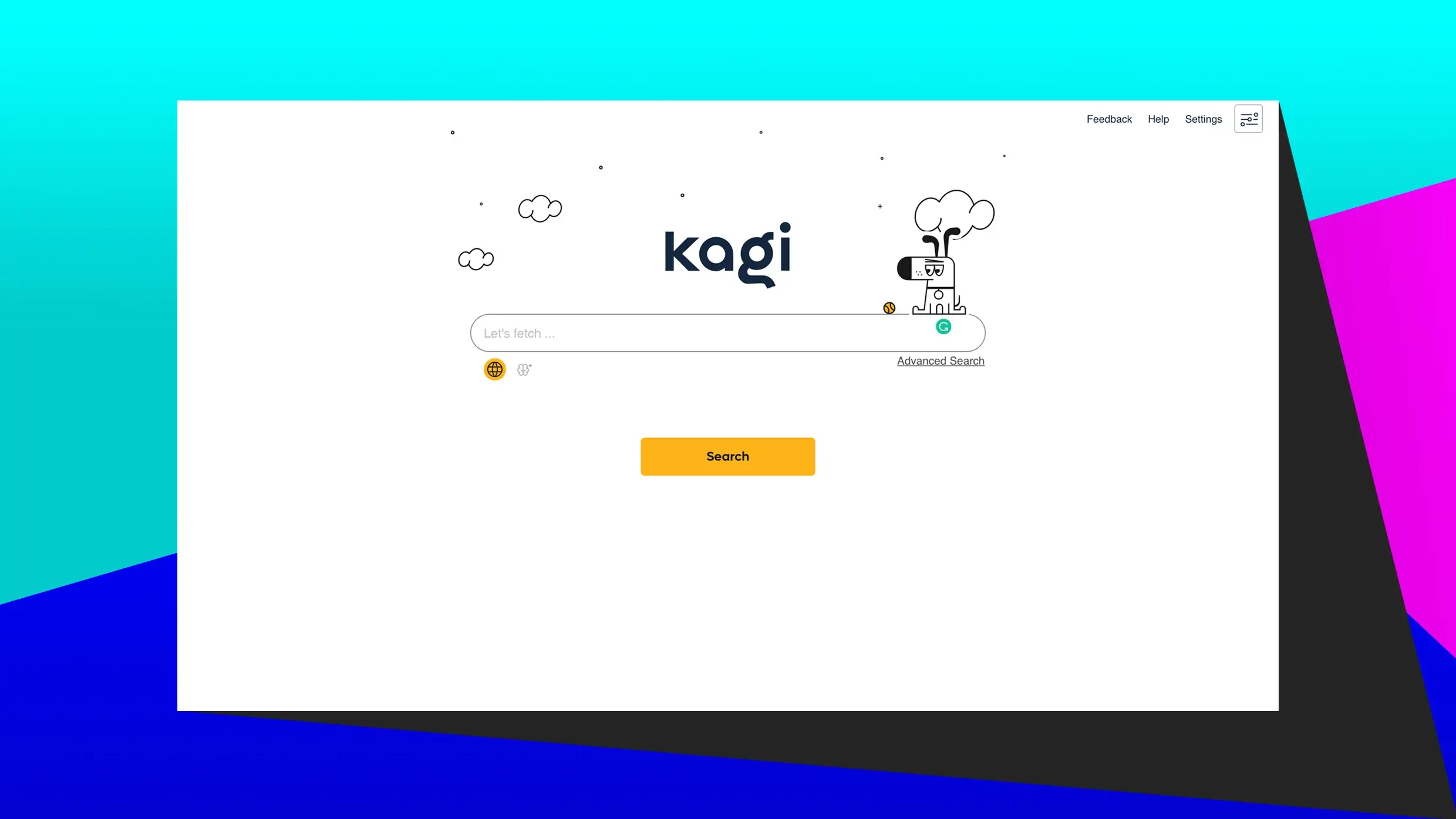
Kagi is a subscription-based search engine that completely eschews an advertising-based model. Instead of profiting from user data, it runs on a paid subscription, meaning there’s no behavioral tracking, profiling, or targeted advertising. It already has thousands of paid users. Kagi includes features like Privacy Pass and Tor integration, making it a niche but rapidly growing privacy-focused search engine.
Mainstream Search Alternatives
3. Bing
Microsoft’s Bing is the world’s second-largest search engine, with a market share of approximately 3–4%. It integrates well with products like Windows, Microsoft Office, Xbox, and the Edge browser. Recently, Bing introduced generative AI capabilities, such as summaries, conversational answers, and AI depth search. These features have made it a popular choice. In many cases, especially image generation and video search, Bing has even outperformed Google.
4. Yandex

Yandex is known as the “Google of Russia” and holds approximately 60% of the Russian search market. It’s available worldwide, even in the US, and is a great alternative to Google and Bing. Yandex has its own extensive ecosystem, including maps, email, cloud storage, and AI-based translation tools. If you’re looking to conduct international market research, Yandex can be a great choice because it offers a more independent perspective on non-English content, breaking it out of the filter bubble of US search engines.
AI-Powered Search Alternatives
5. Perplexity AI

Perplexity AI is one of the fastest-growing AI-based search engines today. It not only provides links but also provides summaries and citations. It’s a kind of research assistant for you, combining web data and LLMs (Large Language Models) to provide in-depth information. Its unique feature is that it also supports follow-up queries, eliminating the need to repeatedly write new queries. With its rapidly increasing number of users and rapid monetization growth, it has become a major challenger to Google in the AI era.
6. ChatGPT Search

OpenAI’s ChatGPT Search is based on GPT technology and integrated with real-time web search. It doesn’t just display links like traditional search engines, but also provides relevant, comprehensive, and contextual answers in natural language. Most importantly, it preserves the original source. Because it’s part of the ChatGPT ecosystem, it directly benefits from frequent model updates and a growing user base, making it highly useful for both enterprise and general users.
Other Independent & Decentralized Options
7. Presearch
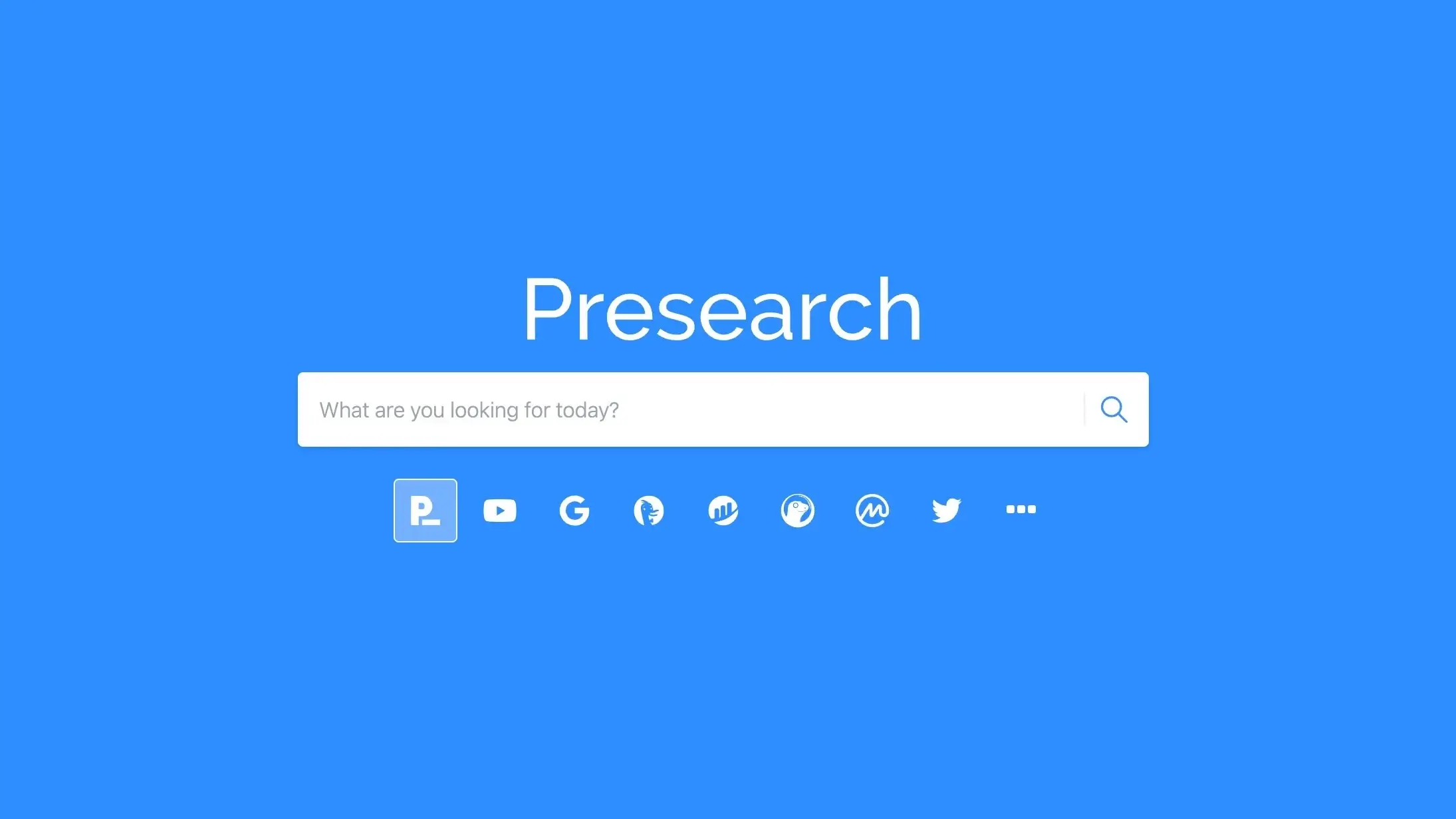
Presearch is a unique, decentralized, blockchain-based search engine that provides users with greater control and transparency over search results. Users can choose their preferred sources and providers, and it also rewards participation with PRE tokens. If you want an unbiased and independent alternative to corporate-controlled search systems, Presearch is a great choice.
8. Mojeek
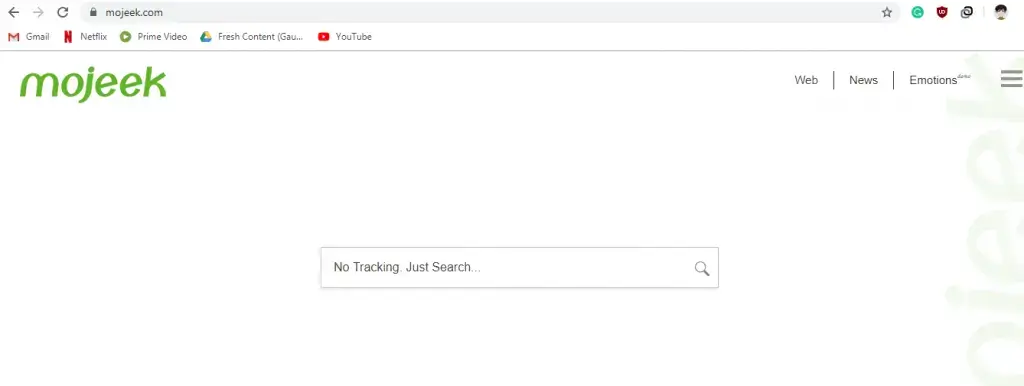
Mojeek is a completely independent search engine. It is one of the few that uses its own web index, rather than relying on results from Google or Bing. Mojeek’s most significant strength is its dedication to privacy and impartiality. It neither tracks user data nor alters results based on personal history. It boasts a massive index of over 6 billion web pages, which sets it apart from the big tech giants. Users here receive unfiltered and less commercialized results.
Also Read: Meta Ray-Ban Display Smart Glasses: Price & Features 2025
Why Choose Google Alternatives?
Privacy is the biggest concern
Nearly 75% of people believe that Google collects too much data, which threatens their privacy. 41% of users said they are extremely concerned about their online privacy.
Corporate Power and Content Visibility
In a 2023 Pew Research survey, 78% of American adults believe that tech giants, including Google, interfere too much with and influence people’s online content. Users are extremely concerned about monopolies in politics.
Which Google alternatives are most used?
With growing awareness of Google alternatives, a YouGov survey found that approximately 34% of American adults use DuckDuckGo, while 11% have tried Brave Search. However, DuckDuckGo usage has rapidly declined to 7%, primarily due to a growing preference for Google. Nevertheless, many people resort to these alternative search engines to avoid personal tracking when searching for sensitive topics.
Final Thoughts
So, to summarize, search engine bias is real and impacts user perception and trust online. Although Google holds 80-90% of the web and search market, growing privacy concerns and the excessive scrutiny of people’s interests through its conservative search engine biases are driving users to seek alternatives to Google.
You can explore the search engine alternatives above based on your needs, as I’ve categorized 8 search engines, each with its own unique features.